What should I make for dinner tonight? This might just be the number one question that we ask ourselves almost daily over here.
Then you have come to the right place, we have rounded up 15 indian pressure cooker recipes that we have shared over the years.
Plus, there is such a variety of flavours in these recipes, so you are sure to find something for you. Most of these recipes are quick and easy ones made especially for busy weeknights.
15 Indian Pressure Cooker Recipes

25 Best Instant Pot Indian Recipes

Pressure Cooker Indian Butter Chicken


Instant Pot Chicken Tikka Masala

Instant Pot Butter Chicken

Pressure Cooker / Instant Pot Butter Chicken

Instant Pot Butter Chicken

Instant Pot Chicken Tikka Masala

Instant Pot Chicken Tikka Masala

Pressure Cooker Indian Butter Chicken
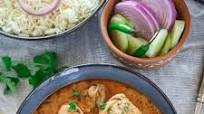
Instant Pot Indian Chicken Curry
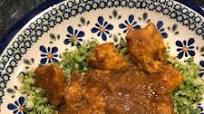
Instant Pot® Indian Chicken Curry

Mom’s Chicken Curry – Instant Pot Pressure Cooker
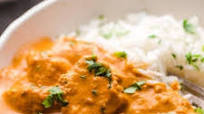
Instant Pot Butter Chicken

Easy vegetarian Instant pot recipes (Indian & more)
What foods Cannot be cooked in a pressure cooker?
Ingredients to Avoid Using in the Instant Pot
- Breaded meats. Even when placed on a rack, breaded meats or vegetables are not recommended due to the fact that the breading will get soggy as the pressure cooker cooks with steam. …
- Delicate Cuts of Meat. …
- Quick Cooking Dishes. …
- Bread. …
- Cookies. …
- Thickeners.
Is Instapot good for Indian cooking?
Just like a traditional pressure cooker, you can sauté at different temperatures in the Instant Pot. (More is great for browning onions and meat and Less is great for simmering curries and dals post-cooking.)
What do you cook in a pressure cooker?
What Can You Cook in a Pressure Cooker?
- Beans.
- Stews.
- Tough cuts of meat – including beef, pork.
- Lentils.
- Artichokes.
- Squash.
- Soups.
- Mashed potatoes.
What is an Indian pressure cooker?
Can you put raw meat in a pressure cooker?
Season your meat as you normally would. Heat a little oil using the Sauté function and sear the meat. Add 1 1/2 cups of liquid (water, stock, etc.). Cook for 20 minutes (per pound of meat) at high pressure for large chunks and 15 minutes (per pound of meat) for small chunks.
Can you put oil in a pressure cooker?
Conclusion. So, can you put oil in a pressure cooker? The answer is yes, you can, but you don’t need to (and if you do, only a tiny amount should be used)! In other words, oil is not to be used as a substitute for other liquids while pressure cooking as these liquids are used for cooking the food safely and correctly.
Why pressure cooker rice is not good for health?
It is believed that cooking rice in a pressure cooker creates a harmful chemical called acrylamide which can lead to a lot of harmful diseases. Also, consuming rice prepared in a pressure cooker can cause obesity. When cooking in a pressure cooker, you don’t remove the water from the rice and this leads to weight gain.
What is the best meat to cook in a pressure cooker?
Best cuts of beef to use: Chuck steak, Round Roast, Shoulder, Pot roast, Ribs, Brisket, Oxtail. Trickier cuts of beef to use: Eye round, Bottom round, Top round, Sirloin steak.
Can you cook rice in pressure cooker?
You can cook any kind of rice in your pressure cooker, long or short grain, brown or white. (It even makes a killer risotto.) No matter what kind of rice I’m cooking, I use the same 1:1 ratio of rice to water or broth.
Which is better cooker rice or boiled rice?
Steamed Rice or Pressure Cooked Rice, Which One is Better? According to statistics, rice cooked in a pressure cooker tastes good as it has got a texture. On the other hand, steamed rice is healthy as it has lesser fat content because the starch is removed.
Why do Indians only use pressure cookers?
The cuisine doesn’t call for much lengthy boiling, which is essentially what a pressure cooker does in a short time. The recipes that do call for it, most people use crockpots and slow cookers. Also they do not use as much dry legumes as Indians do.
Which pressure cooker is best for Indian cooking?
List of 10 Best Pressure Cooker In India for 2022
- Hawkins Contura Hard Anodised Aluminium Pressure Cooker. …
- Prestige Nakshatra Alpha Stainless Steel Pressure Cooker. …
- Prestige Deluxe Alpha Outer Lid Stainless Steel Pressure. …
- Hawkins Stainless Steel Induction Pressure Cooker. …
- Hawkins Futura Pressure Cooker with Induction Base.
Can you put frozen meat in a pressure cooker?
You can safely cook frozen meat in an Instant Pot because pressure cooking cooks foods quickly. Unlike a slow cooker, in which frozen food may stay in a dangerous temperature range for too long, the Instant Pot can quickly bring frozen food to a safe temperature.
Do chefs use pressure cookers?
Pressure cookers may be used in commercial kitchens to prepare meat or stocks in a hurry. However, chefs usually do not prefer to use pressure cookers because they give less control over the finished product. Chefs generally prefer slow cooking methods to bring out the flavors of the ingredients.
Does a pressure cooker tenderize meat?
The pressure cooker can tenderize the most stubborn cut of meat and turn tough chewy fibers into gelatin, but a few wrong moves can turn meat into a shriveled tasteless lump.
Is Hawkins Indian company?
Hawkins Cookers Limited Inc and formerly known as Pressure Cookers and Appliances Ltd, is an Indian company which manufactures pressure cookers and cookware. The company is based in Mumbai and has three manufacturing plants at Thane, Hoshiarpur and Jaunpur.
When was pressure cooker used in India?
1959 was the year the modern pressure cooker arrived in India. Both Hawkins and TT Pvt Ltd (now known as TTK Prestige) launched the first pressure cookers in the country. From dals to rice to meat curries and tough veggies like potatoes, the pressure cooker was the long-awaited boon for Indian cooks.
How do you whistle with a pressure cooker?
When the jiggle top pressure cooker reaches “high pressure,” the pressure regulator (toggle) will whistle to release steam. This is how you know you have reached high pressure. After the first whistle, turn down the temperature to medium and continue to cook for the amount of time determined by the recipe.